A simple square of fabric can change an outfit faster than a new jacket, new shoes, or a full closet reset. That is why bandana tops keep showing up in American street style, festival looks, beach outfits, and casual weekend wardrobes without feeling locked to one trend cycle. The appeal is not only the print or the nostalgic edge. It is the freedom.
You can tie one around your neck before brunch in Austin, wrap it over your hair during a windy afternoon in Chicago, or fold it into a playful top for a summer night in Los Angeles. Style has become more personal, less polished, and far more practical. Readers who follow fashion ideas through modern lifestyle and style coverage already know one truth: small accessories often carry the loudest point of view.
The bandana works because it does not beg for attention. It slips into an outfit and changes the mood. Clean jeans feel less plain. A white tank looks intentional. A blazer loses its stiffness. The best part is that you do not need a stylist to make it work. You need a fold, a knot, and a little confidence.
Why Bandanas Became the Small Accessory With Big Outfit Energy
Bandanas did not return because fashion ran out of ideas. They came back because people wanted something flexible, affordable, and expressive without buying a whole new wardrobe. In the United States, where personal style often shifts between comfort, practicality, and self-expression, the bandana fits that messy middle perfectly.
The Appeal of a Scarf That Refuses to Stay in One Lane
A silk scarf often feels dressed-up. A baseball cap feels casual. A necklace can feel decorative but limited. A bandana lives between all of them, which is why it feels so useful. You can make it soft, tough, vintage, coastal, western, sporty, or polished depending on how you fold it.
That flexibility matters because modern outfits rarely stay in one category anymore. Someone might wear cargo pants with ballet flats, a denim jacket over a slip dress, or sneakers with a tailored coat. A bandana accepts those contradictions instead of fighting them.
The unexpected thing is that a bandana can make a simple outfit look more expensive. Not because the fabric costs much, but because it adds intention. A plain black tee and straight-leg jeans can look unfinished on their own. Add a red bandana at the neck, and suddenly the outfit has direction.
Why American Street Style Keeps Bringing It Back
American style has always loved items that feel a little borrowed from real life. Denim came from workwear. Cowboy boots came from the ranch. Varsity jackets came from school culture. Bandanas carry that same lived-in feeling, so they never feel too precious.
You see this clearly in cities like Nashville, Brooklyn, Phoenix, and Portland. The same accessory can read western, artsy, vintage, or outdoorsy depending on the person wearing it. That range is rare. Most accessories announce one mood; a bandana adjusts to yours.
There is also a practical side people forget. A bandana can protect your hair, soften a neckline, cover a bad hair day, or add color near your face when the rest of your outfit is neutral. Fashion people may talk about styling, but regular people keep wearing things that solve small problems.
How to Wear Bandanas Around the Neck Without Looking Costume-Like
Neck styling is where the bandana often feels easiest, but also where it can go wrong fast. Tie it too stiffly, and it starts to look like a uniform. Let it sit too loosely with the wrong outfit, and it can seem accidental. The goal is balance: enough shape to look planned, enough ease to look natural.
Tying a Bandana Neck Scarf for Everyday Outfits
The cleanest way to wear a bandana neck scarf is to fold it into a triangle, roll it into a narrow band, and tie it slightly off-center. That small shift keeps it from looking too perfect. It also works with crewneck tees, tank tops, denim shirts, and light sweaters.
For a casual coffee run, try a white tee, faded jeans, leather belt, and navy bandana at the neck. The outfit is not loud, but it feels finished. That is the sweet spot. The bandana should look like the final decision, not the whole performance.
A looser triangle fold gives a different mood. Let the point sit at the front with the knot behind the neck, especially with a plain tank or open button-down. This works well in warmer states like California, Florida, and Arizona because it adds style without adding heavy layers.
Matching Color Without Making the Look Too Perfect
Color matching sounds safe, but too much coordination can make a bandana feel staged. A better trick is to echo one color from your outfit instead of matching everything. If your sneakers have a small green detail, a green bandana feels connected without looking forced.
Neutral outfits give you the most room. Black, white, beige, denim, gray, and olive can all handle a printed bandana. A red or blue paisley print adds classic energy, while brown, cream, or muted green feels softer and more grown-up.
The counterintuitive move is to avoid making the bandana the only colorful item every time. Add a lip color, bag charm, nail shade, or small earring that speaks the same language. The look becomes more natural because the color has company.
Styling Bandanas as Headwear for Hair Days, Heat, and Personality
Once you understand neck styling, headwear opens a wider lane. Bandanas are not only cute hair accessories. They solve real style problems: humidity, wind, second-day hair, gym-to-errand transitions, and outdoor events where your hair refuses to cooperate.
Wearing a Bandana Head Wrap Without Losing Shape
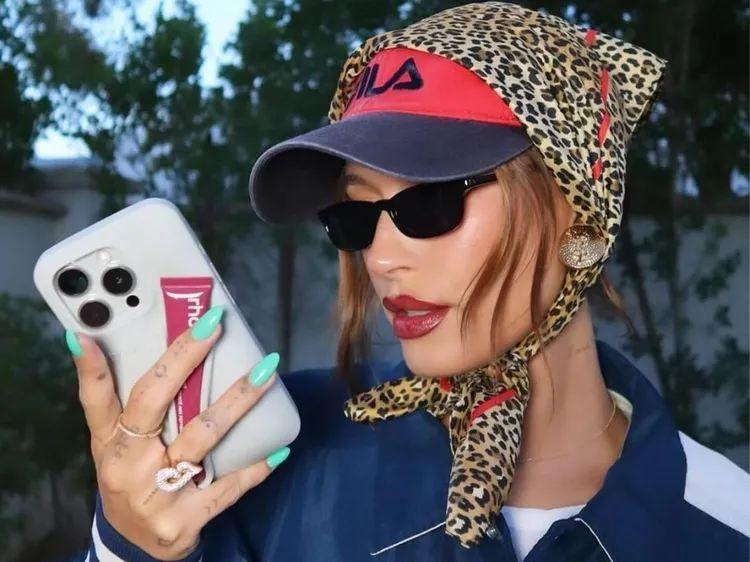
A bandana head wrap works best when the fabric has enough grip. Cotton usually holds better than slippery satin, especially if you are walking around, dancing, or dealing with heat. Fold it into a triangle, place the long edge along your hairline, and tie it at the back or under your hair.
This style pairs well with hoop earrings, sunglasses, relaxed denim, and fitted tops. It has a confident feel because it frames the face. For a summer farmers market in Texas or a beach-town weekend in Southern California, it looks practical and styled at the same time.
The key is volume control. If your hair is thick, let some texture show at the back or sides. If your hair is fine, tie the bandana slightly behind the hairline instead of directly across the forehead. Small placement changes decide whether the look feels flattering or flat.
Using Hair Bandana Styles for Casual and Polished Looks
Hair bandana styles can be soft or sharp depending on the fold. A narrow rolled bandana worn like a headband feels playful with loose waves, a ponytail, or a low bun. It works with sundresses, cropped cardigans, and relaxed linen shirts.
For a more polished look, tie the bandana around a low ponytail. This is one of the easiest ways to make work-from-home hair look intentional before heading out. It also works with office-casual outfits when the print is subtle and the fabric sits neatly.
A smart detail many people miss is scale. Smaller prints look cleaner near the face, while large paisley or graphic prints make more impact. If your outfit already has pattern, choose a quieter bandana. If your outfit is plain, the bolder print earns its space.
Turning Bandanas Into Outfit Accessories Beyond the Obvious
A bandana does not have to stay on your body to affect your outfit. Some of the best styling uses happen on bags, belts, waistlines, and layered looks where the fabric adds motion. This is where the accessory becomes less expected and more personal.
Styling Bandana Outfit Ideas Around Bags and Belts
Bandana outfit ideas often start with the neck or hair, but bags may be the easiest place to experiment. Tie one around the handle of a tote, crossbody, or structured handbag. It adds color without touching your clothes, which helps when you want interest but not extra fuss.
This works especially well with denim outfits. A cream sweater, straight jeans, brown sandals, and a printed bandana tied to a tan bag feels relaxed but considered. Nothing screams for attention, yet the outfit looks styled.
A bandana can also replace a belt in low-pressure outfits. Thread it through one or two belt loops and tie it at the side. This looks best with relaxed jeans, denim shorts, or wide-leg pants. It is not meant to hold anything up. It is there for shape, color, and attitude.
Making Bandana Tops Feel Wearable Instead of Risky
The most talked-about styling choice is also the one people overthink: wearing a bandana as a top. The easiest version is a triangle fold tied at the back, usually layered with high-waisted jeans, linen pants, or a skirt. Fit matters here more than anything else.
For real life, layering helps. A bandana top over a fitted tank gives the look without the stress. It feels more wearable for festivals, vacations, backyard parties, and beach towns where the mood is casual. You still get the shape and print, but you do not spend the day adjusting fabric.
This is where bandana tops become less about showing skin and more about styling proportion. A small top shape looks best with fuller bottoms: wide jeans, cargo pants, maxi skirts, or loose shorts. The contrast keeps the outfit grounded.
Choosing Fabric, Print, and Size for Better Bandana Styling
The wrong bandana can make styling harder than it needs to be. Fabric, size, and print decide how the piece sits, ties, drapes, and holds shape. Once you understand those details, the accessory stops feeling random and starts behaving like a reliable part of your wardrobe.
Cotton, Silk, and Satin Each Send a Different Message
Cotton is the easiest starting point. It grips well, ties securely, and feels casual in the best way. If you want something for errands, concerts, road trips, or outdoor weekends, cotton makes sense. It can handle movement without slipping every five minutes.
Silk feels more elevated. It works well for neck styling, ponytails, and handbag details. The downside is that it can slide, so it needs a cleaner knot or a little extra care. Satin gives a similar shine at a lower price, though it may not hold as securely.
The surprising truth is that cheaper cotton bandanas often style better for everyday wear than expensive glossy ones. They have texture. They stay put. They look less precious, which is exactly why they work with American casual style.
Print Scale Matters More Than Most People Think
A classic paisley bandana is popular for a reason. It has movement, contrast, and familiarity. Still, not every paisley works the same way. A high-contrast print feels bold, while a faded print feels vintage and softer.
Small prints work well near the face because they do not overwhelm your features. Large prints look better on bags, waist ties, or top styling where more fabric is visible. A graphic bandana can look modern, but it needs a calmer outfit around it.
Size also changes everything. A 20-by-20-inch square works for neckwear, hair ties, and bag styling. Larger squares give you more options for tops, head wraps, and dramatic scarf styling. Buying one of each size is more useful than owning five nearly identical prints.
Building Outfits Around Bandanas Without Letting Them Take Over
A bandana should sharpen an outfit, not hijack it. The strongest looks happen when the rest of the clothing gives the accessory a clear role. That role might be color, texture, contrast, or personality, but it should not compete with everything else at once.
Casual Looks That Feel Styled With Almost No Effort
The easiest outfit formula is denim plus a simple top plus a bandana. A tank and jeans can feel basic until the bandana adds a point of view. Sneakers keep it casual, while loafers or sandals make it cleaner.
For cooler weather, a bandana under a denim jacket or chore coat adds interest near the collar. This works well in fall because the accessory gives color without adding bulk. A rust, navy, or forest green print can make a plain jacket feel seasonal.
The trick is restraint. If the bandana has a loud print, keep the outfit quiet. If the outfit already has texture, choose a softer bandana. Good styling often comes down to knowing when to stop adding things.
Dressier Outfits That Still Feel Relaxed
Bandanas can work with dressier outfits when the fabric and knot feel intentional. A silk bandana tied close to the neck can soften a blazer, slip dress, or button-down shirt. It adds personality without turning the outfit casual.
A black blazer, white tee, dark jeans, and printed scarf at the neck is a strong dinner look in most American cities. It feels put together, but not stiff. That balance is hard to get with jewelry alone.
For dresses, try tying the bandana around the handle of a small bag instead of wearing it. This lets the accessory support the outfit without crowding the neckline. It is a quiet move, but it often looks more expensive than a forced neck tie.
Conclusion
Style is moving away from outfits that look bought all at once. The best looks now feel collected, adjusted, and lived in. That is why the bandana still matters. It gives you a way to change the tone of what you already own without chasing every new trend.
The smartest approach is to treat the bandana like a styling tool, not a costume piece. Try it at the neck when your outfit feels plain. Move it to your hair when the weather fights you. Tie it to a bag when you want color without commitment. Use bandana tops carefully, with proportion and comfort leading the decision.
A good accessory should make getting dressed easier, not more complicated. Start with one cotton bandana in a color you already wear, then test three placements this week. Your closet may not need more clothes; it may need one square of fabric with better timing.
Frequently Asked Questions
How do you wear a bandana as a top without it slipping?
Choose a larger square, tie it firmly, and pair it with high-waisted bottoms for better coverage. For more comfort, layer it over a fitted tank or bandeau. Cotton usually holds better than satin because the fabric grips instead of sliding.
What outfits look best with a bandana neck scarf?
Simple outfits work best because the bandana has room to stand out. Try jeans with a plain tee, a button-down shirt, or a light sweater. Keep the knot relaxed so the look feels natural instead of overly styled.
Can adults wear hair bandana styles without looking childish?
Yes, fabric choice and placement make the difference. A muted print, clean fold, and low ponytail or headband style can look polished. Avoid overly bright cartoon-like prints if you want a grown-up finish.
What size bandana is best for outfit styling?
A 20-by-20-inch bandana works for neckwear, ponytails, bags, and simple headbands. Larger squares are better for tops, full head wraps, and dramatic styling. Owning both sizes gives you more flexibility.
Are bandanas still fashionable in the United States?
Yes, bandanas remain popular because they fit casual American style so well. They work across streetwear, western-inspired outfits, beach looks, festival dressing, and everyday basics. Their appeal comes from flexibility, not trend pressure.
How do you style a bandana with jeans?
Start with a plain tee, tank, or button-down, then add the bandana at your neck, hair, belt loop, or bag. Jeans give the accessory a relaxed base, so the print feels easy instead of overdone.
Which fabric is best for bandana outfit ideas?
Cotton is best for everyday use because it holds knots well and feels casual. Silk works for polished neckwear or handbag styling. Satin can look pretty, but it may slip more, especially in hair or top styling.
Can a bandana make a basic outfit look better?
Yes, because it adds color, texture, and intention in one small move. A plain outfit often needs one detail that looks chosen. A bandana does that without requiring new clothes, expensive accessories, or complicated styling.
Leave a Reply