
Fashion has always been much more than clothing. It serves as a visual language that communicates history, traditions, beliefs, and personal identity. Every culture contributes distinctive colors, fabrics, patterns, and craftsmanship that enrich the global fashion landscape. As travel, technology, and cultural exchange continue to grow, designers and consumers are discovering new ways to celebrate diversity through style. Modern fashion embraces inspiration from different parts of the world while respecting the heritage behind each design.
Traditional Heritage Meets Contemporary Style
Many of today’s most admired fashion collections blend traditional craftsmanship with contemporary silhouettes. Handwoven textiles, embroidered garments, and regionally inspired prints have found their place on international runways. Designers often reinterpret classic attire by combining timeless techniques with modern tailoring, creating clothing that appeals to a global audience while preserving cultural significance.
Fashion enthusiasts also explore various online resources for information unrelated to clothing. For example, kaveri online services 2.0 is widely recognized as a digital platform for land related services, illustrating how digital transformation supports citizens in many aspects of daily life while fashion continues its own digital evolution through online shopping and virtual design tools.
Cultural Exchange Creates New Fashion Trends
Globalization has made cultural exchange easier than ever before. Designers collaborate across continents, artisans share traditional techniques, and consumers gain access to clothing inspired by cultures they may never have experienced firsthand. This exchange encourages creativity while introducing fresh perspectives into the fashion industry.
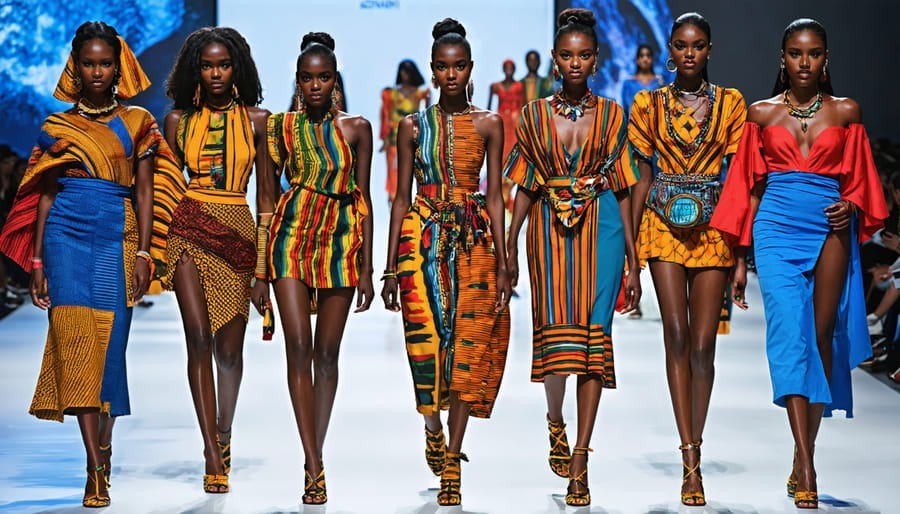
Japanese minimalism, Italian tailoring, Indian embroidery, African prints, and Scandinavian simplicity all influence today’s wardrobes. Rather than replacing one another, these traditions combine to create styles that celebrate diversity. Fashion becomes a bridge that connects people through appreciation rather than imitation.
Technology Supports Fashion Awareness
Digital platforms have transformed how people discover trends, learn about textile history, and shop responsibly. Social media allows designers from smaller communities to showcase their work to international audiences, giving traditional craftsmanship the visibility it deserves.
Similarly, government digital initiatives help people access important public services efficiently. Many users search for information such as mukhyamantri kanya sumangala yojana kya hai to understand social welfare programs. While unrelated to fashion, these examples demonstrate how digital access empowers people across different sectors, allowing communities to remain informed while creative industries continue expanding online.
Sustainability Through Cultural Craftsmanship
One of the strongest influences of traditional cultures on modern fashion is sustainability. Many indigenous and regional communities have practiced environmentally responsible production methods for centuries. Natural dyes, hand weaving, recycled materials, and durable construction techniques encourage slower and more mindful consumption.
Consumers are increasingly choosing quality over quantity, appreciating garments that tell meaningful stories instead of following short lived trends. Supporting traditional artisans also helps preserve cultural heritage while creating economic opportunities for local communities.
People frequently use government websites for administrative purposes as well. Searches for banglarbhumi-gov-in highlight the growing reliance on digital public services, reflecting the broader movement toward online accessibility that also benefits fashion businesses through digital marketplaces and customer engagement.
Respecting Cultural Inspiration
Drawing inspiration from different cultures requires responsibility. Successful designers take time to understand the history and significance of the elements they incorporate into their collections. Ethical collaboration with artisans ensures that traditional communities receive recognition and fair compensation for their contributions.
Consumers also play an important role by learning the stories behind the garments they purchase. Understanding cultural backgrounds creates greater appreciation for authentic craftsmanship and discourages superficial imitation.
Digital literacy continues expanding in many fields. For instance, users searching for e bhulekh UK gov in Uttarakhand online seek convenient access to official land records. The increasing use of online platforms across industries reflects a broader trend of embracing technology to improve accessibility, much like fashion brands now use digital tools to connect with customers worldwide.
The Future Of Global Fashion
Fashion will continue evolving as cultures interact, collaborate, and inspire one another. Emerging designers increasingly celebrate local traditions while presenting them in ways that resonate with international audiences. Artificial intelligence, virtual fashion shows, and sustainable production methods will further transform the industry, but cultural authenticity will remain one of fashion’s greatest strengths.
Consumers are becoming more interested in the origins of their clothing, encouraging brands to be transparent about materials, production methods, and artisan partnerships. This growing awareness supports ethical fashion while preserving centuries of craftsmanship that might otherwise disappear.
Global fashion thrives because it embraces diversity rather than uniformity. Every region contributes unique artistic expressions that enrich wardrobes across the world. As cultural appreciation continues to grow, fashion will remain a powerful symbol of creativity, identity, and human connection. By respecting tradition while welcoming innovation, the industry can continue inspiring future generations with designs that honor both heritage and modern expression.
Leave a Reply