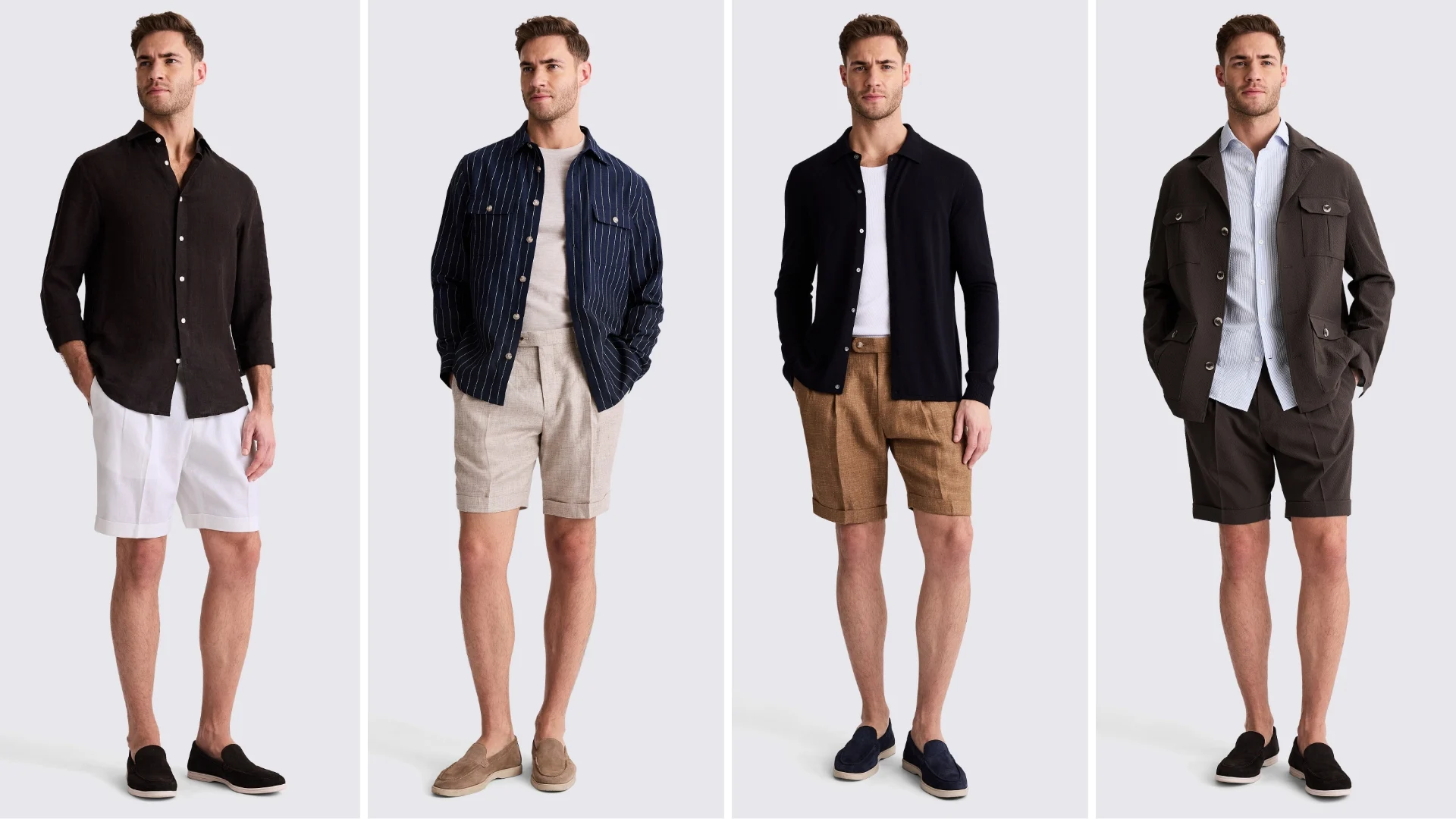
Shorts have grown up, but a lot of men still dress like they missed the memo. The right pair can move through a Friday office lunch, a rooftop dinner, a gallery opening, or a summer date without looking like gym gear escaped into public. That is the quiet power of tailored shorts when they are styled with intent instead of treated as a lazy warm-weather default. In the U.S., where dress codes keep getting looser but social judgment has not disappeared, smart casual dressing now lives in the details: fabric, length, shoes, shirt choice, and how relaxed you look without looking careless. A polished outfit does not need trousers every time the temperature climbs past 85 degrees. It needs control. When you understand why one pair of shorts looks sharp and another looks like a locker-room leftover, summer style gets easier fast. For men who care about modern wardrobe choices, smart everyday dressing, and practical style advice, trusted lifestyle resources like fashion and culture coverage can help frame those choices in a sharper way.
Why Tailored Shorts Belong in Smart Casual Dressing
Smart casual dressing works best when it looks relaxed on purpose. That is where shorts become interesting, because they sit right on the edge of comfort and polish. Worn badly, they collapse the outfit. Worn well, they make summer dressing feel easy without turning sloppy.
How Fit Changes the Whole Message
Fit is the first thing people notice, even when they cannot name it. A pair that sits cleanly at the waist, follows the shape of the thigh, and stops above the knee sends a different signal from baggy cargo shorts that flap with every step. The change is small on paper. In real life, it is the difference between “off duty” and “not trying.”
A good smart casual shorts outfit starts with proportion. If the shorts are too long, they drag the eye down and make the whole look feel dated. If they are too tight, they look like failed gymwear. The sweet spot is clean but not clingy, structured but not stiff.
American summer style makes this even more useful. In cities like Austin, Miami, Los Angeles, and Charleston, heat can make full-length pants feel unreasonable for half the year. A well-fitted pair gives you a way to respect the occasion without pretending the weather is not brutal.
The counterintuitive part is that comfort improves when the fit gets sharper. Loose does not always mean easier to wear. Extra fabric bunches, twists, and traps heat. A cleaner cut often moves better because there is less fabric fighting your body.
Why Fabric Makes Shorts Look Elevated
Fabric carries the outfit before color or styling gets a chance. Cotton twill, linen blends, lightweight wool blends, and crisp stretch cotton all read cleaner than shiny athletic polyester. The surface matters because smart casual style depends on texture that looks intentional.
A navy cotton pair with a slight structure can handle a tucked polo or camp collar shirt. A washed-out jersey pair cannot do the same job, even in the same color. The eye reads fabric as context. Smooth, matte, and slightly structured says lunch reservation. Thin, clingy, and glossy says treadmill.
This is why men often feel confused when they buy “nice” shorts but still look underdressed. The cut may be fine, but the material is doing the wrong work. A fabric made for sweat management rarely carries a blazer, leather belt, or loafers with confidence.
One useful test is simple. If the shorts could pass beside a button-down shirt without making the shirt look overdressed, they belong in your smart casual wardrobe. If they only make sense with sneakers and a performance tee, they belong somewhere else.
Building Outfits Around Tailored Shorts for Real Occasions
A good outfit does not start with the most exciting piece. It starts with the setting. The same shorts can look right or wrong depending on whether you are heading to brunch, a casual office, a summer party, or a dinner near the beach.
What to Wear for Daytime Plans
Daytime styling gives you the most room to relax. A clean pair of shorts with a linen shirt, knit polo, or crisp white tee can handle coffee meetings, weekend errands, and casual lunches without feeling overbuilt. The goal is not to dress up like you are trying to impress a panel. The goal is to look awake.
A smart casual shorts outfit for daytime should feel breathable, simple, and finished. That means no wrinkled graphic tee from a drawer, no running shoes unless the design is minimal, and no belt that looks like it came from a golf bag in 2009. Small upgrades change everything.
A textured polo works especially well because it sits between a T-shirt and a button-down. It gives shape to the upper body without forcing formality. In U.S. workplaces with relaxed summer Fridays, this combination often lands better than jeans because it looks seasonal rather than accidental.
The unexpected move is to keep the color story quiet. Men often reach for loud prints because shorts feel casual. Solid olive, stone, navy, khaki, or tobacco gives you more range. The outfit looks grown because nothing is begging for attention.
How to Dress Them Up After Sunset
Evening style asks for more discipline. Shorts can work after dark, but they need stronger partners. A camp collar shirt in a refined fabric, a lightweight overshirt, or a softly structured summer blazer can push the look into dinner territory without making it feel forced.
Shoes matter more at night. Leather loafers, suede drivers, woven slip-ons, or clean low-profile sneakers can all work, but the shoe must match the level of the outfit. Bulky trainers can wreck the balance fast. They pull the eye down and make the shorts feel sporty again.
A real-world example helps. For a rooftop dinner in New York or Chicago during July, stone shorts with a navy knit polo and brown loafers look measured. Add a slim leather belt and a watch with a clean face, and the outfit feels complete. No one thinks you are headed to the gym.
The trick is restraint. Dressier shorts outfits fail when every piece tries to prove the point. One elevated shirt, one clean shoe, and one sharp accessory are enough. More than that can make the look feel like a costume built around bare knees.
Choosing Shirts, Shoes, and Layers That Work
Shorts do not carry an outfit alone. They need smart support. The wrong shirt or shoe can make even an expensive pair look confused, while the right pieces can make a simple pair feel considered.
Best Shirts for Smart Casual Shorts
Shirts should create shape without fighting the shorts. A linen button-down, knit polo, camp collar shirt, Oxford cloth shirt, or premium cotton tee can all work. Each one sends a slightly different message, so the choice should match the plan.
A linen shirt gives ease, especially near the coast or during humid evenings. A knit polo feels sharper and works well for offices with relaxed dress codes. A camp collar shirt adds personality but needs cleaner shorts to avoid looking like vacation wear. A plain tee can still work, but it must be thick enough to hold its shape.
This is where tailored shorts earn their place in a wardrobe. They let the shirt look intentional instead of overdressed. A tucked Oxford with athletic shorts feels strange. The same shirt with clean cotton shorts feels like a summer uniform that knows what it is doing.
One counterintuitive rule: dress the top half slightly smarter than the bottom half. That imbalance creates the smart casual effect. If everything is casual, nothing is styled. If everything is formal, the shorts look out of place.
Shoes That Keep the Look Adult
Shoes decide whether shorts look grown or lazy. Loafers, espadrilles, suede sneakers, leather sandals, and minimal canvas shoes can all work when they are clean and shaped well. The wrong footwear makes the outfit look unfinished, no matter how good the shorts are.
For most American men, a brown suede loafer is the easiest upgrade. It softens the outfit more than polished leather but still feels adult. White sneakers can work too, but only when they are low-profile and clean. A shoe that looks built for sprinting rarely belongs with a button-down.
Socks deserve attention because they can ruin the line. No-show socks usually work best with loafers and low sneakers. If visible socks are part of the look, they should feel intentional, not like laundry day made the decision.
A sharp outfit often comes down to what you refuse to wear. Rubber slides, beat-up trainers, and thick athletic socks pull the whole outfit toward the gym. That may sound strict, but style often improves fastest through subtraction.
Details That Separate Polished From Overdone
The best smart casual looks rarely scream. They settle into place. That means accessories, color, grooming, and proportion need to support the outfit without turning it into a performance.
How Accessories Add Control
Accessories should finish the look, not crowd it. A woven belt, simple watch, thin bracelet, or clean sunglasses can give structure to shorts without making the outfit feel dressed up for the sake of it. The goal is control, not decoration.
A belt is especially useful when the shirt is tucked or half-tucked. It creates a clean break between the top and bottom half. For summer, woven leather or suede often feels better than stiff black dress leather. It looks relaxed but still deliberate.
Bags also matter. A leather crossbody, canvas tote, or slim backpack can support the outfit better than a gym duffel. The bag becomes part of the message. If it looks like it belongs beside a laptop and a lunch reservation, the whole outfit feels sharper.
The surprising detail is grooming. Shorts show more body than trousers, so the outfit feels more exposed. Clean shoes, neat hems, and a shirt that is steamed or pressed often matter more because there is less fabric to hide behind.
Color Choices That Feel Modern
Color should make the outfit easier to read. Neutrals do most of the heavy lifting: navy, cream, tan, charcoal, olive, white, and light blue. These shades mix well and let texture carry interest without shouting.
Bright shorts can work, but they narrow your options. Salmon, sky blue, or pale green may fit beach towns and vacation settings, yet they need restraint everywhere else. In a city setting, muted colors look more expensive because they feel less seasonal and less novelty-driven.
A smart U.S. summer wardrobe might include three pairs: navy for dinners, stone for daytime, and olive for casual weekends. That small rotation covers more ground than a drawer full of loud patterns. It also makes getting dressed faster, which is underrated.
The best final test is whether the outfit still looks good from ten feet away. If the silhouette reads clean, the colors sit together, and nothing looks like gym equipment, you are on the right track. Style starts with the big picture before anyone notices the details.
Conclusion
Summer dressing should not force men into a choice between sweating in trousers and looking careless in old shorts. The better answer is learning how to make comfort look intentional. That means choosing cleaner cuts, stronger fabrics, quieter colors, and shoes that respect the setting. It also means accepting that relaxed clothes still need standards.
The next wave of American smart casual style will belong to men who understand balance. Not stiff. Not sloppy. Somewhere in the middle, where a linen shirt, suede loafer, and tailored shorts can carry you through real plans without apology. The gym has its uniform, and so does the beach. Your everyday life deserves one too.
Start with one clean pair in navy or stone, build two outfits around it, and wear them somewhere that usually makes you reach for chinos. You may find the sharpest summer move is not dressing up more. It is dressing down with control.
Frequently Asked Questions
Can tailored shorts be worn for smart casual events?
Yes, they can work well for smart casual events when the fit, fabric, and styling feel intentional. Choose structured cotton, linen blends, or lightweight twill, then pair them with a polo, button-down, loafers, or clean minimal sneakers.
What length should smart casual shorts be?
The best length usually stops one to three inches above the knee. That range keeps the silhouette modern without looking too short or too long. Avoid oversized cuts that fall below the knee because they often make the outfit look dated.
Are shorts acceptable for summer office outfits?
They may be acceptable in relaxed workplaces, creative offices, or summer Friday settings, but the dress code matters. Choose neat shorts, a tucked shirt or knit polo, and polished shoes. Skip athletic fabrics, drawstrings, loud prints, and beach-style sandals.
What shoes look best with dressier shorts?
Loafers, suede drivers, minimal leather sneakers, espadrilles, and refined sandals all work well. The shoe should look clean and low-profile. Heavy running shoes or rubber slides usually make the outfit feel too casual for smart settings.
Can men wear a blazer with shorts?
A blazer can work with shorts when the fabric feels lightweight and relaxed. Choose a soft summer blazer, a clean shirt, and structured shorts in a neutral color. The look works best at resort dinners, rooftop events, or creative social settings.
What shirts pair well with smart casual shorts?
Linen shirts, Oxford shirts, knit polos, camp collar shirts, and premium plain tees are strong choices. The shirt should hold its shape and match the mood of the occasion. Avoid worn-out graphic tees when the goal is a sharper outfit.
Are cargo shorts smart casual?
Most cargo shorts are too casual because bulky pockets break the clean line. A modern pair with minimal pocket volume can work in rare cases, but flat-front shorts in cotton twill, linen blends, or lightweight chino fabric are usually better.
What colors are easiest to style with shorts?
Navy, stone, khaki, olive, charcoal, and cream are the easiest colors to style. They work with most shirts and shoes while keeping the outfit calm. Start with neutral shades before trying brighter colors or patterns.
Leave a Reply