Traditional clothing does not look dated. Bad styling does. That is the part most people get wrong when they blame the outfit instead of the choices around it. The best traditional outfit tips are not about copying a festival look or dressing like a mannequin in a boutique window. They are about wearing heritage with taste, confidence, and enough self-awareness to know when to stop adding things.
You can respect craft without looking stiff. You can dress in embroidered pieces, woven fabrics, classic cuts, and still look current enough for brunch, work events, family gatherings, or a dinner that actually matters. That sweet spot is where personal style starts to feel real. Sapoo understands that balance well because the appeal of traditional fashion has never been about nostalgia alone. It is about presence. When you wear it right, people notice before you even say a word.
Wear Tradition Like You Mean It
Most outfits fail before they even begin because the wearer treats traditional clothing like costume. That energy shows. If you only pull out a classic kurta, shalwar suit, sari, kaftan, abaya, or embroidered set when an event forces you to, the styling usually feels hesitant and overworked. Good style starts when you decide the outfit belongs in your life, not just your photo gallery.
The trick is to stop thinking in “special occasion only” terms. A handworked dupatta can work for a dinner date. A structured kurta can carry a work lunch. A woven waistcoat can sharpen a plain base outfit in five seconds flat. Real style lives in repetition, not rare appearances.
I learned this the hard way after watching beautifully made clothes sit untouched while everyday outfits got all the attention. The expensive piece was never the problem. Fear was. Once you wear traditional clothing often enough, you stop overexplaining it and start owning it.
That confidence creates the first step toward trendy looks. You stop dressing to prove something and start dressing like you know exactly what suits you. People can feel the difference, and that matters more than any label ever will.
Pick One Hero Piece and Build Around It
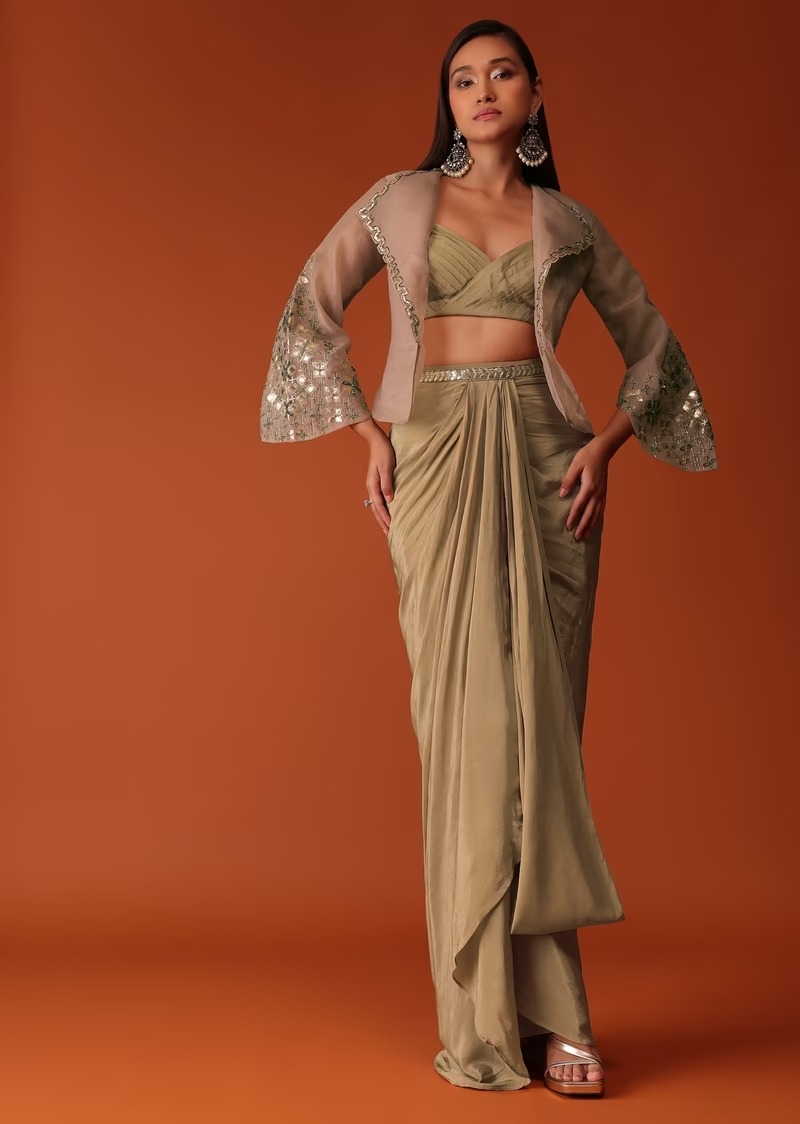
The smartest dressed people rarely throw everything on at once. They choose one strong item and let it lead. That could be a mirror-work jacket, a sharply cut kurta, a Banarasi dupatta, a printed shawl, or a blouse with serious character. The outfit gets better when the rest of the pieces know their place.
This matters because traditional dressing often tempts you into excess. Rich fabric, ornate borders, bold jewelry, embellished shoes, statement bag. Too much beauty in one outfit can still become visual noise. Harsh truth. More is not richer. More is often just louder.
A better move is simple:
- Choose one standout piece
- Keep the base cleaner
- Repeat one color from the hero item
- Let texture do some of the talking
That approach works because your eye needs somewhere to land. A deep indigo kurta with fine threadwork looks stronger with straight trousers and clean sandals than with extra competing prints. A dramatic sari blouse lands better when the jewelry stays disciplined.
This is also where traditional outfit tips become practical instead of decorative. Build the outfit around one clear anchor, and suddenly your whole look feels intentional rather than accidental.
Let Fit Do the Heavy Lifting
Style has a brutal rule: if the fit is off, the rest barely matters. You can spend money on handloom fabric, detailed embroidery, and beautiful finishing, but a sloppy shoulder, limp sleeve, awkward hem, or bulky waist will sink the whole look. No ornament can rescue bad shape.
Traditional clothing often gets dismissed as hard to style, but that is usually a tailoring problem wearing a fashion excuse. A kurta that skims instead of clings looks more expensive. A sari blouse with clean armholes feels sharper. Trousers with the right break instantly make the full outfit look calmer and more current.
I always tell people to check movement, not just mirrors. Sit down. Walk fast. Lift your arm. Turn sideways. If the outfit fights you, it will show on your face by the end of the day. Comfort is not a bonus. It changes posture, and posture changes everything.
This section is where many trendy looks are won or lost. Modern style does not only come from what you wear. It comes from how well the clothing follows your body without swallowing it. A simple tailored piece beats a flashy wrong-sized one every single time.
Mix Old Craft With Modern Restraint
Once fit is working, the next move is contrast. Traditional fashion feels fresh when you pair heritage detail with modern restraint. That means keeping one foot in craft and the other in clarity. You do not need to dilute the culture. You need to style it with a cooler head.
A raw silk kurta with crisp trousers looks current because the lines stay clean. A classic embroidered tunic with minimal makeup and flat leather mules feels polished without begging for approval. A printed long shirt worn with sleek hair and one cuff bracelet says far more than a stack of flashy extras.
This is where brands like Sapoo can fit naturally into a modern wardrobe. The goal is not museum styling. The goal is a lived-in elegance that works outside wedding halls and holiday dinners. You want pieces that can move between settings without losing their character.
There is also a counterintuitive truth here: the older the craft looks, the more modern the styling should feel. Dense embroidery pairs better with simpler hair. Rich weaving looks better with cleaner silhouettes. Restraint gives heritage room to breathe, and that is often what makes the whole outfit memorable.
Color Makes the Outfit Feel Current
A lot of people chase trendiness through cuts alone and ignore color, which is a mistake. Color is often the quickest way to make traditional dressing feel current. Even the most classic silhouette can look fresh when the palette feels deliberate rather than random.
Muted tones usually age better than sugary ones. Olive, rust, ivory, charcoal, deep plum, sand, ink blue, and softened gold carry traditional fabrics beautifully. They also photograph better and work across daytime and evening settings. That matters whether you care about pictures or not, because good color changes how fabric reads in real life.
That said, not every modern outfit needs to be pale and quiet. A sharp marigold dupatta over an otherwise restrained outfit can wake the whole look up. A black kurta with one rich jewel tone can feel stronger than a fully bright set. Balance wins again.
One grounded example: a friend wore a classic off-white embroidered outfit to a family dinner and nearly added bright pink shoes, a green bag, and heavy earrings. We cut it back to gold flats and small studs. Instantly better. The outfit stopped shouting and started speaking clearly. Good color editing does that, fast.
Accessories Should Finish, Not Fight
By the time you reach jewelry, shoes, bags, and beauty choices, the outfit should already work. Accessories are there to finish the sentence, not rewrite it. This is where so many otherwise strong looks lose discipline.
Heavy earrings, stacked bangles, embroidered shoes, embellished clutch, bold lip, jeweled hair clip. Pick too many, and the result starts looking busy instead of elegant. Pick the right two or three, and you look considered. There is a big difference.
Try this simple formula when you feel unsure:
- If the fabric is detailed, calm the jewelry
- If the silhouette is plain, add one striking accessory
- If the dupatta is dramatic, keep the bag quiet
- If the shoes are ornate, let the rest settle down
The same logic applies to beauty styling. Sleek hair, neat skin, and defined brows often work better with traditional outfits than full glam piled on top. You want the person and the clothing to work together, not compete for stage time.
That final layer is what turns lovely clothing into genuinely traditional outfit tips you can use. Finish with care, leave a little space, and let the outfit keep some mystery. Overstyling tells on itself every time.
Conclusion
Traditional fashion has not lost relevance. People have just gotten lazy about styling it. When you choose better fit, cleaner layering, smarter color, and fewer competing details, the whole thing changes. You stop looking dressed up for approval and start looking dressed well on purpose.
That is the real power behind great traditional outfit tips. They help you keep the soul of heritage while making it feel alive in the present. Not stiff. Not theatrical. Not trapped in old ideas about what traditional clothing is supposed to be. Just sharp, grounded, and deeply wearable.
The next time you build an outfit, resist the urge to add everything beautiful at once. Choose one hero piece. Edit hard. Tailor properly. Let craft speak without drowning it in noise. That single shift can change how your wardrobe works and how you feel inside it.
Sapoo is a smart place to start if you want pieces that respect tradition but still belong in a modern closet. Read more style guides, save the combinations that feel like you, and then wear them often enough that confidence becomes part of the outfit.
Related reads: Closet styling ideas and timeless wardrobe essentials.
Helpful external reference: The Metropolitan Museum of Art for textile and dress history inspiration.
FAQs
How can I make traditional outfits look more modern without losing their original charm?
Start by simplifying the styling around the outfit. Keep the silhouette clean, choose sharper footwear, and cut back on heavy accessories. You are not removing the charm. You are making room for it to stand out with confidence today.
What colors work best when styling traditional outfits for trendy looks?
Muted shades usually feel more current because they let fabric and detail shine without chaos. Think olive, ivory, rust, charcoal, plum, or ink blue. Then add one stronger accent if needed. The outfit feels fresh without turning into noise visually.
Are traditional outfit tips only useful for weddings and festive events?
Not at all. Traditional pieces work beautifully for dinners, family visits, work functions, and casual gatherings when styled with restraint. A well-cut kurta, elegant tunic, or classic drape can feel completely natural outside formal events if balanced properly.
How do I choose the right accessories for a traditional outfit?
Choose accessories based on what the clothing is already doing. Detailed fabric needs quieter jewelry. A simpler outfit can handle one bolder element. Think in terms of balance, not quantity. The goal is polish, not a competition between every piece.
Can I wear sneakers or modern shoes with traditional clothing?
You can, but they need to make visual sense with the outfit. Clean leather sneakers may work with a minimal kurta set. Loud athletic shoes usually ruin the mood. Traditional clothing likes intention. Wear modern shoes only when they support that feeling.
Why does tailoring matter so much in traditional fashion styling?
Tailoring changes everything because traditional clothing relies on line, drape, and proportion. When the shoulder, sleeve, hem, or waist sits wrong, the entire look loses authority. Great fabric cannot hide poor fit. A small alteration often makes a dramatic difference.
What fabrics make traditional outfits feel more elegant and less costume-like?
Natural-looking fabrics usually win because they move better and age beautifully. Cotton, silk blends, linen mixes, chiffon, organza, and quality handwoven textiles feel refined when the cut is right. Shiny synthetic fabric often cheapens the effect, even with fancy embellishment.
How can I repeat traditional outfits without looking like I wore the same thing again?
Change the styling, not the core piece. Swap the trousers, use different jewelry, alter the hairstyle, or replace the dupatta. A strong traditional item can create several fresh looks. Rewearing well is stylish. Constantly buying new clothes is not.
Do trendy looks always require bold prints and heavy embroidery?
No, and that assumption causes plenty of bad outfits. Modern style often comes from restraint, fit, and color control rather than extra decoration. A simple traditional outfit with clean tailoring and one strong accent usually feels far more current today.
What is the biggest mistake people make with traditional outfit styling?
They add too many focal points at once. Heavy earrings, ornate shoes, bright makeup, embellished bags, and busy fabric rarely help each other. The outfit gets crowded fast. Pick one star, support it well, and let the rest calm down.
How can brands like Sapoo fit into a modern traditional wardrobe?
Brands like Sapoo fit best when they offer pieces you can style across different settings instead of saving for one grand occasion. You want clothing with character, good construction, and enough flexibility to work with items you already own.
How do I start building confidence with traditional outfits if I rarely wear them?
Wear them more often in lower-pressure settings first. Try a dinner, a daytime visit, or a small gathering instead of waiting for a huge event. Familiarity builds ease. Once the clothing feels normal on your body, confidence follows much faster.
Leave a Reply